In 6sense's 2026 Buyer Experience Report, the vendor that won the deal was already on the buyer's Day 1 shortlist in 92% of buying journeys.
That means most deals are decided before a buyer fills in your demo form. If they didn't know your name when they started looking, your lead generation has very little to work with.
That's why I'm sharing how I think about lead generation and demand generation, based on what I've learned over the past 10+ years growing B2B SaaS brands. People use the two terms as if they mean the same thing, and they don't.
What is demand generation?
Demand generation is the work of making the right people aware of a problem and of your company, so they want to buy from you when the time comes. It doesn't ask for contact details.
For a B2B SaaS company selling attribution software, demand generation might get a VP of Marketing to realize their reports can't show which campaigns create pipeline. Then it helps them picture a better way and remember your company as the one that explained it.
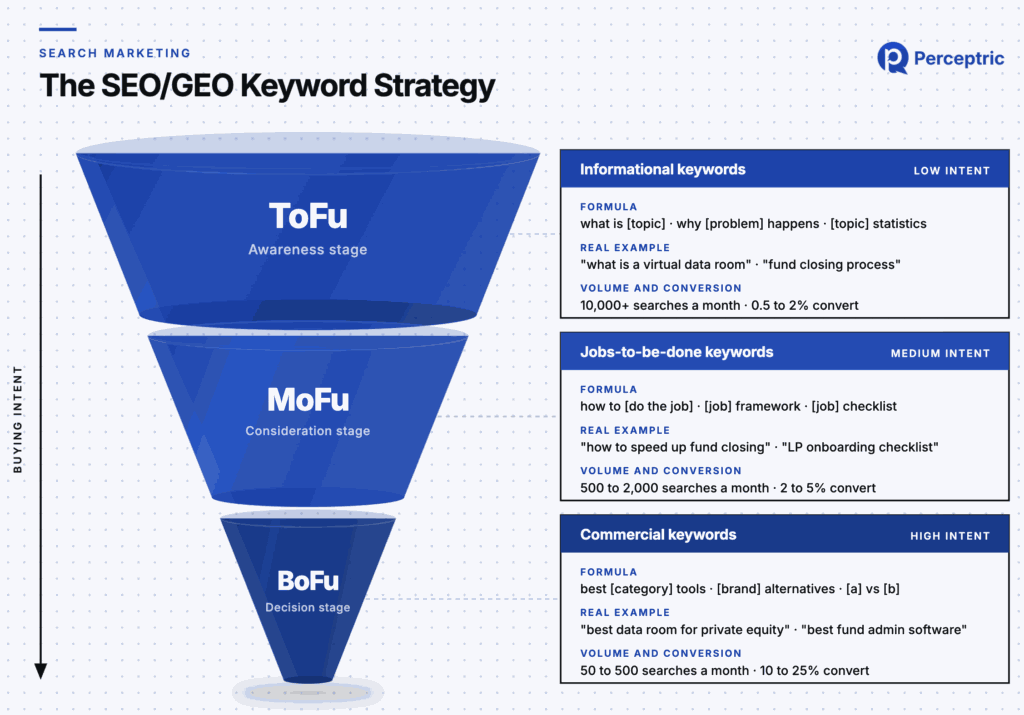
I split demand into three levels of intent:
- Demand for content (low intent): The buyer wants to learn but isn't looking for a fix yet. LinkedIn posts, newsletters and how-to guides fit here, and the goal is for them to think "these people understand my job."
- Demand for a solution (medium intent): The buyer knows the problem and wants to see how others solve it. Frameworks, playbooks and case studies with before-and-after numbers do the work here.
- Demand for a vendor (high intent): The buyer is comparing companies and wants to know who to pick and what it costs. Comparison pages, pricing pages and testimonials matter most, and this is where demand turns into a lead.
What is lead generation?
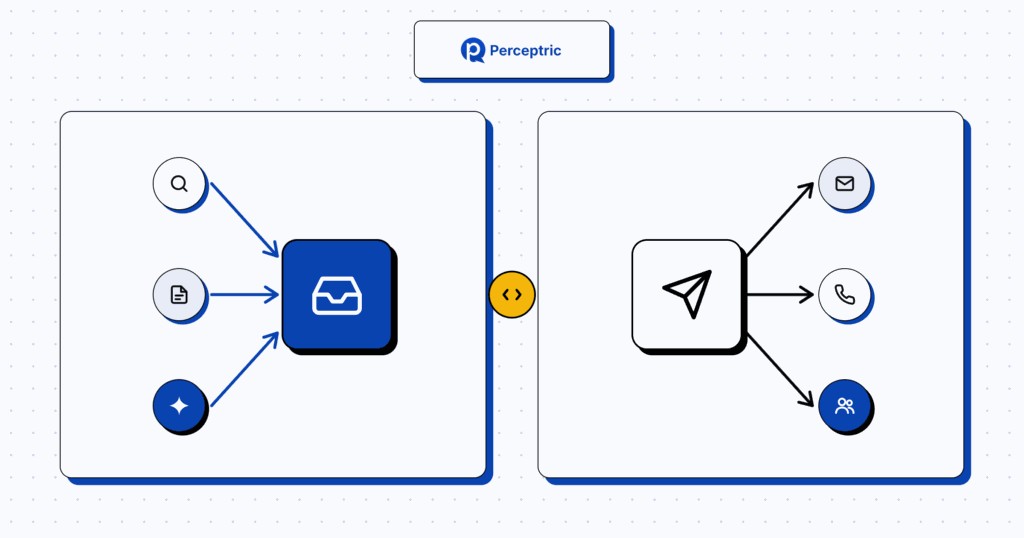
Lead generation is the work of turning that interest into named prospects that sales can follow up with. It asks for something: an email, a demo request or a booked call.
For the same attribution company, lead generation might mean the VP of Marketing searches "best B2B attribution software", lands on a comparison page and books a demo. From there, they're in your CRM and sales can qualify them.
Our B2B lead generation guide covers the lead stages, from a first contact to an opportunity, in more detail.
Demand generation vs lead generation: the differences
Here's how the two compare side by side:
| Demand generation | Lead generation | |
|---|---|---|
| Goal | Get known and trusted before the buyer starts looking | Turn existing interest into contacts sales can follow up with |
| Audience | Your whole market, including companies that won't buy this year | Buyers showing signs they're evaluating now |
| Access | Open, with no form | Behind a form, demo request or booked call |
| Typical assets | Podcasts, LinkedIn posts, open research reports, newsletters | Demo and pricing pages, ROI calculators, free trials, gated templates |
| Main channels | LinkedIn, YouTube, podcasts, communities, events, organic search | Paid search, retargeting, email sequences, outbound, review sites |
| Metrics | Branded search, direct traffic, mentions in AI answers, "how did you hear about us?" answers | Form fills, cost per SQL, pipeline created, closed revenue |
| Time to results | Usually 6 to 12 months before it compounds | Days to weeks once budget is live, and it stops when spend stops |
The most common mistake I see on each side is easy to spot. Demand generation teams build an audience with no path to a sales conversation. Lead generation teams keep hitting the same small group of in-market buyers until results drop.
An example of both at one company
Semrush, the SEO software company that's now part of Adobe, shows both sides on one page. Semrush Academy offers free courses, lessons and certificates on SEO, content and paid ads, taught by marketers like Brian Dean and Andy Crestodina.
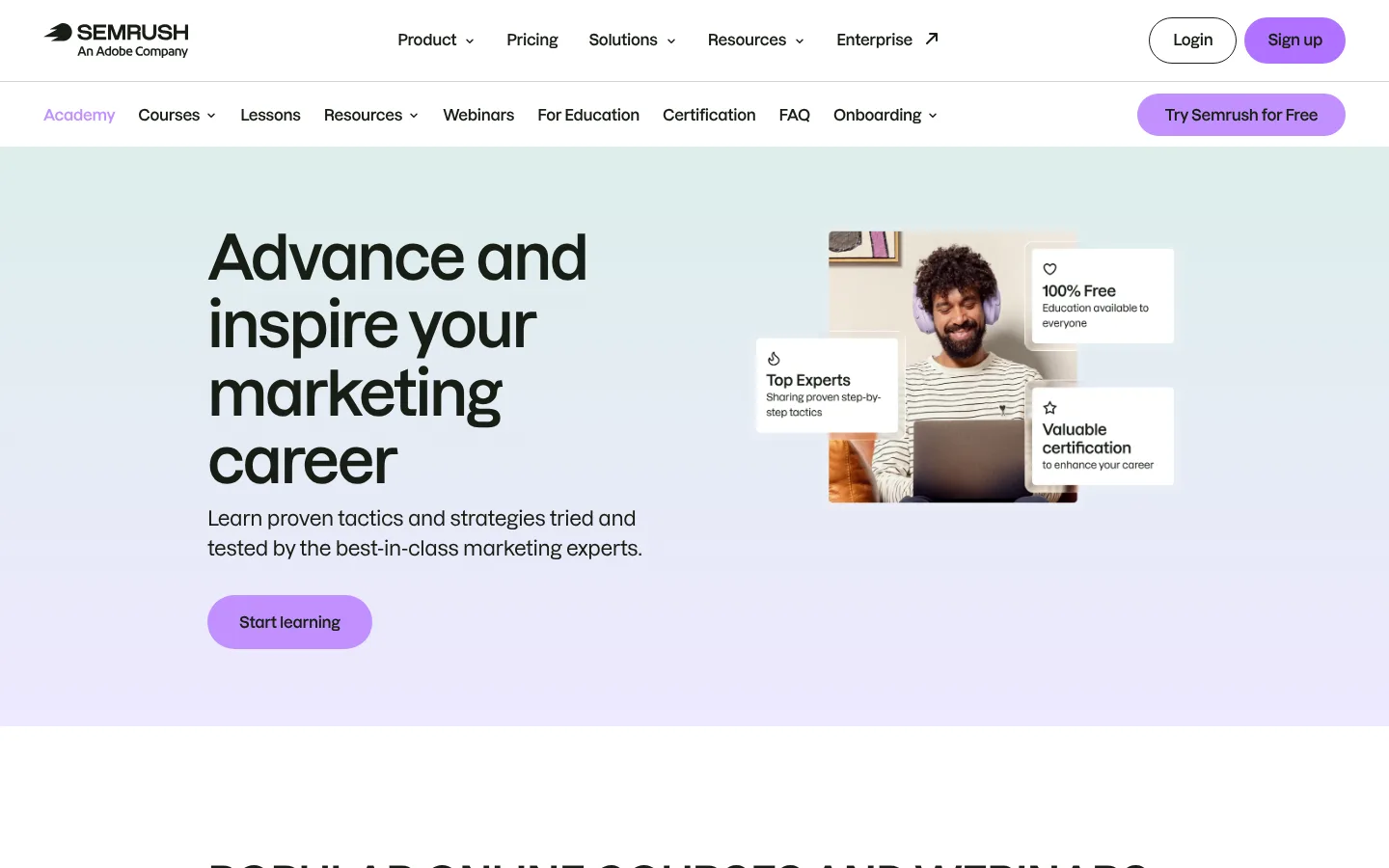
The courses are demand generation. A marketer learns SEO from Semrush, gets used to its screenshots and remembers the name when the team needs a tool.
The "Try Semrush for Free" button in the corner is lead generation. It offers a seven-day free trial for the people who are ready, and it sits right next to the free content without getting in its way.
How demand generation and lead generation work together
For most B2B companies, the answer to "which one?" is both. The same 6sense report found that the vendor a buyer favors before first contact wins 82% of the time, so there's little room to change their mind once they start comparing.
Here's how I'd think about the split of jobs:
- Demand generation gets you on the Day 1 list: Content, SEO, thought leadership and events make buyers familiar with your company before they have a budget.
- Demand generation builds a preference: When you explain the problem better than anyone else, buyers start to see it your way, which makes you the vendor to beat.
- Lead generation gives that preference a next step: Once a buyer is ready, a demo form, a free trial or a pricing page turns interest into a conversation.
- Lead generation shows you what's working: The "how did you hear about us?" answers on your forms tell you which demand channels are paying off.
How to split your budget
The best research I know on this comes from Les Binet and Peter Field. Their 2019 study for LinkedIn's B2B Institute found that B2B brands grow best with about 46% of budget on brand building and 54% on activation, the marketing that asks for a response now.
Brand building isn't exactly demand generation, but it's close. So I treat a split near 50/50 as a starting point and adjust it from there:
- Lean toward demand generation: When few people know your category yet, your sales cycle is long or your cost per lead keeps rising because you're reaching the same buyers again and again.
- Lean toward lead generation: When buyers already search for your category every month and sales has room for more meetings this quarter.
Whatever split you choose, keep it for at least two quarters before you judge it. Demand generation takes months to show up in pipeline, and cutting it after one quarter means paying for the slow part and missing the payoff.
Conclusion
The two terms get mixed up all the time, but the way I keep them apart is simple:
- Demand generation makes buyers want to talk to you
- Lead generation makes it easy for them to do it
- Measure the first by branded search and self-reported answers
- Measure the second by pipeline and cost per SQL
Most teams I meet spend almost everything on the second one. But if 92% of deals go to a vendor on the Day 1 list, how many buyers already have your name on theirs?
Work with Perceptric
Perceptric is a B2B SaaS SEO, GEO and LinkedIn thought leadership agency. We build an Organic Content Engine that gets your company known before buyers start looking, then turns that demand into pipeline every quarter. We've worked with B2B software brands like Katalon, Arrowsterr and Omniscient.
Here's what we do:
- Conversion-led SEO: Rankings for the problems, solutions and commercial questions your buyers search for.
- AI SEO (GEO): Visibility in ChatGPT, Claude, Perplexity and Google AI Overviews when buyers research vendors.
- Content production: Articles built from expert interviews, customer insights and original research.
- LinkedIn thought leadership: Founder and executive posts that build familiarity before buyers look for a vendor.
- Paid search: Ads on high-intent searches that use the same messages as your SEO and content.
A 30-day AI visibility sprint costs $6,999, and monthly programs start at $10,000 a month for AEO or Social on a 6-month term. LinkedIn thought leadership for 1 to 3 executives is $10,000 a month on its own (Social), or $15,000 with AEO. See our pricing page for the details.
FAQ
What is the main difference between lead generation and demand generation?
Demand generation creates interest in your product before a buyer is ready to buy, usually with open content and no form. Lead generation turns that interest into contacts your sales team can follow up with, through forms, demo requests and trials.
How should you split your budget between demand generation and lead generation?
Binet and Field's 2019 research for LinkedIn's B2B Institute found B2B brands grow best with about 46% of budget on brand building and 54% on activation. A split near 50/50 is a good starting point, adjusted for how well buyers already know your category.
How long does demand generation take to work?
Demand generation usually takes 6 to 12 months before it compounds, while lead generation can bring results within days or weeks of turning on budget. Demand generation is also harder to track, so add a "how did you hear about us?" field to your forms.
Why does it matter to be on a buyer's shortlist early?
In 6sense's 2026 Buyer Experience Report, the winning vendor was on the buyer's Day 1 shortlist in 92% of journeys. Buyers rarely add a new name once they start comparing, so demand generation has to get you on that list first.
A simple first step is to add a "How did you hear about us?" field to your demo form this week. Once you see where demand comes from, book a discovery call to plan the content that builds more of it.