In G2's March 2026 survey of 1,076 software buyers, 51% said they now start research in an AI chatbot more often than in Google. A year earlier, that number was 29%.
That means many of your future leads have already read about you, compared you and made a short list before they fill in a form. The form is the last step of their research, and it's the first step of yours.
That's why I'm sharing how a B2B lead generation program fits together, based on what I've learned over the past 10+ years growing B2B SaaS brands. You'll get the lead stages, a calculator for the leads you need, five real examples and a checklist.
What is B2B lead generation?
B2B lead generation is the process of finding businesses that fit your ideal customer profile and turning their interest into qualified sales conversations.
Most teams sort leads into four stages, so sales spends its time on the people most likely to buy:
- Lead: Anyone who has shared contact details, such as a person who downloaded your benchmark report.
- Marketing qualified lead (MQL): A lead that fits your target market and has shown interest, like a RevOps manager at a 200-person software company who came back for your pricing page.
- Sales qualified lead (SQL): A lead sales has spoken to and confirmed has the need and the budget.
- Opportunity: A deal sales is working, with a dollar value in your CRM.
Lead generation is the part that turns interest into names sales can call. Demand generation is the part that creates the interest in the first place, through things like podcasts, LinkedIn posts and research. You need both, and our guide to lead generation vs demand generation shows where one ends and the other starts.
Why B2B lead generation looks different in 2026
Buyers used to fill in a form early and let sales teach them. Now they do most of the work alone, often in ChatGPT or Perplexity, and they arrive with very few names in mind. In TrustRadius's 2026 report on 1,862 technology buyers, 83% shortlisted three or fewer products.
So expect fewer leads who know more. In my experience, that's good news if you plan for it. A buyer who has already compared you with two rivals doesn't need a long nurture sequence, they need a fast, easy way to talk to someone.
That changes where the effort goes. You have to be visible in Google and in AI answers while buyers research, and you have to make the last step quick once they're ready.
How a B2B lead generation program works
Every program I've seen work has the same five parts. Skip one and the others leak.
Here's how they fit together:
- A pipeline goal: Start from the pipeline sales needs each month and work back to the leads each channel must bring in. The calculator below does this math for you.
- An ideal customer profile: A one-page description of the companies that buy fastest and stay longest, with the triggers that start a purchase, such as a new head of sales or a funding round.
- An offer for each buying stage: A benchmark report for someone learning about the problem, a calculator or comparison page for someone weighing options and a demo for someone choosing a vendor.
- Two or three channels: The places your buyers already research, such as Google, AI answers, LinkedIn or targeted email. Our list of lead generation strategies has a playbook for each, and our guide to inbound vs outbound lead generation helps you pick the mix.
- A handoff and a monthly report: Rules that give every lead an owner and a reply time, and a report that shows the pipeline each channel brings.
Our step-by-step guide on how to generate B2B leads walks through each part with templates. Here, I'll focus on the math and on real companies that do each part well.
Work out how many leads you need
Most lead targets are guesses. I'd rather start from the pipeline goal, then divide by your conversion rate at each stage, so the target ties back to revenue.
Let's say your team needs $300,000 in new pipeline each month and your average deal is $25,000. Here's the math with First Page Sage's B2B SaaS rates for SEO leads:
| Stage | The math | You need |
|---|---|---|
| Opportunities | $300,000 ÷ $25,000 | 12 |
| SQLs | 12 ÷ 49% (SQL to opportunity) | 25 |
| MQLs | 25 ÷ 51% (MQL to SQL) | 50 |
| Leads | 50 ÷ 41% (lead to MQL) | 122 |
| Visitors | 122 ÷ 2.1% (visitor to lead) | 5,810 |
Round up at every stage, since you can't book half a meeting. So this team needs 122 SEO leads and about 5,810 visitors a month. Swap in your own CRM rates as soon as you have them, because benchmarks are only a starting point.
The calculator runs the same math for three channels at once. Enter your goal, then each channel's share of pipeline and its conversion rates:
| Channel | Opps | SQLs | MQLs | Leads |
|---|
Defaults: First Page Sage B2B SaaS funnel rates by channel (June 2025). Results round up at each stage.
If the answer is far more leads than your channels bring in today, you have two levers. You can add traffic, or you can raise a conversion rate. The second one is usually cheaper, and it's where the examples below help.
B2B lead generation examples from real companies
Each of these five companies does one part of the program well, from the first offer to the booked meeting.
1. HubSpot Website Grader
HubSpot sells CRM software for marketing, sales and service teams. Its free Website Grader scores a site's SEO and performance in exchange for two things: a website address and an email.
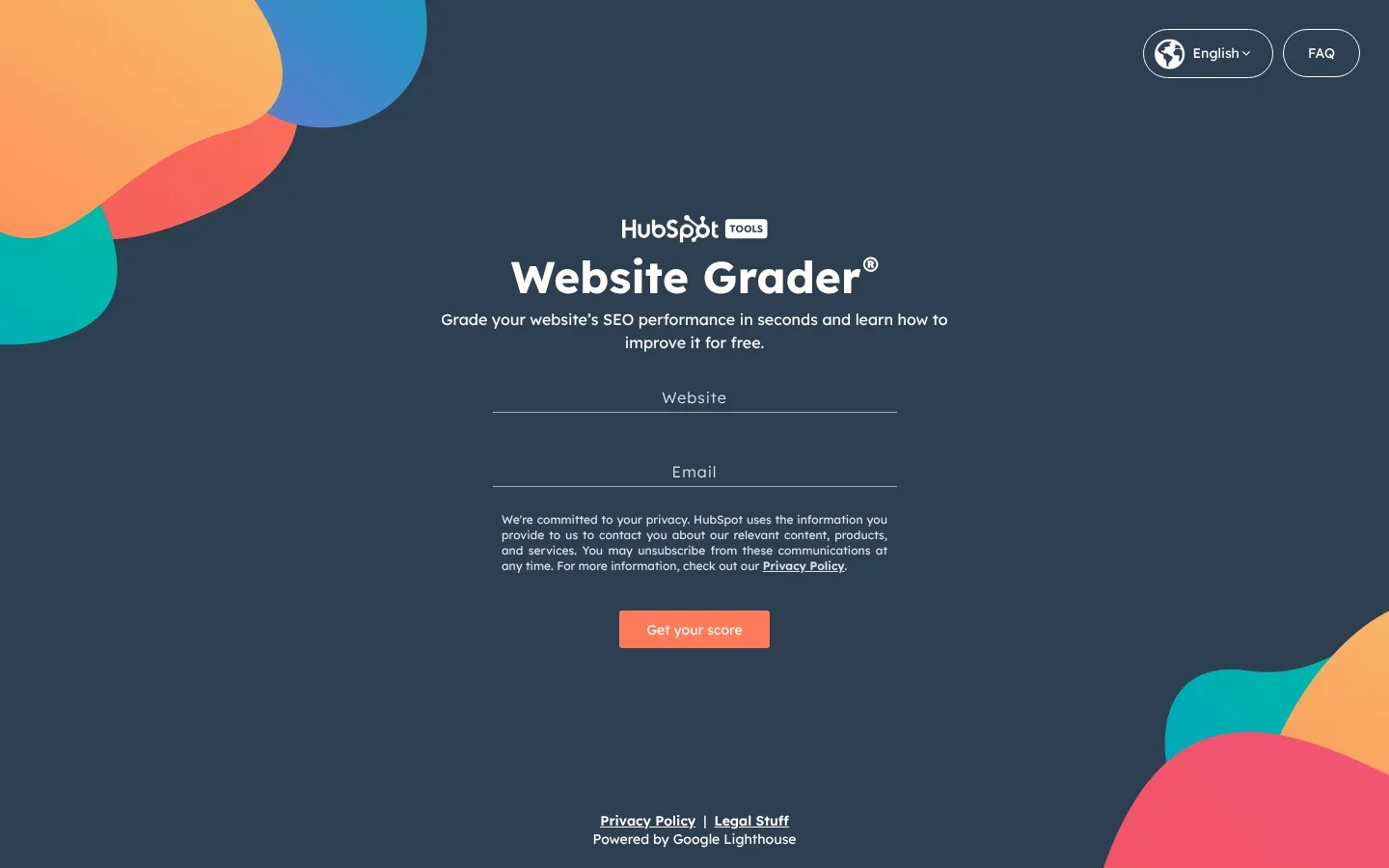
The tool runs on Google Lighthouse and checks a site in under 30 seconds. It solves a problem marketers have, and marketers are exactly who HubSpot sells to.
What to borrow: turn a check your team already runs by hand into a free tool, and ask only for the fields you need to follow up.
2. Ahrefs free SEO tools
Ahrefs sells software for keyword research and backlink analysis. Its free SEO tools page groups more than a dozen small tools under headings like Keyword Research and Link Building.
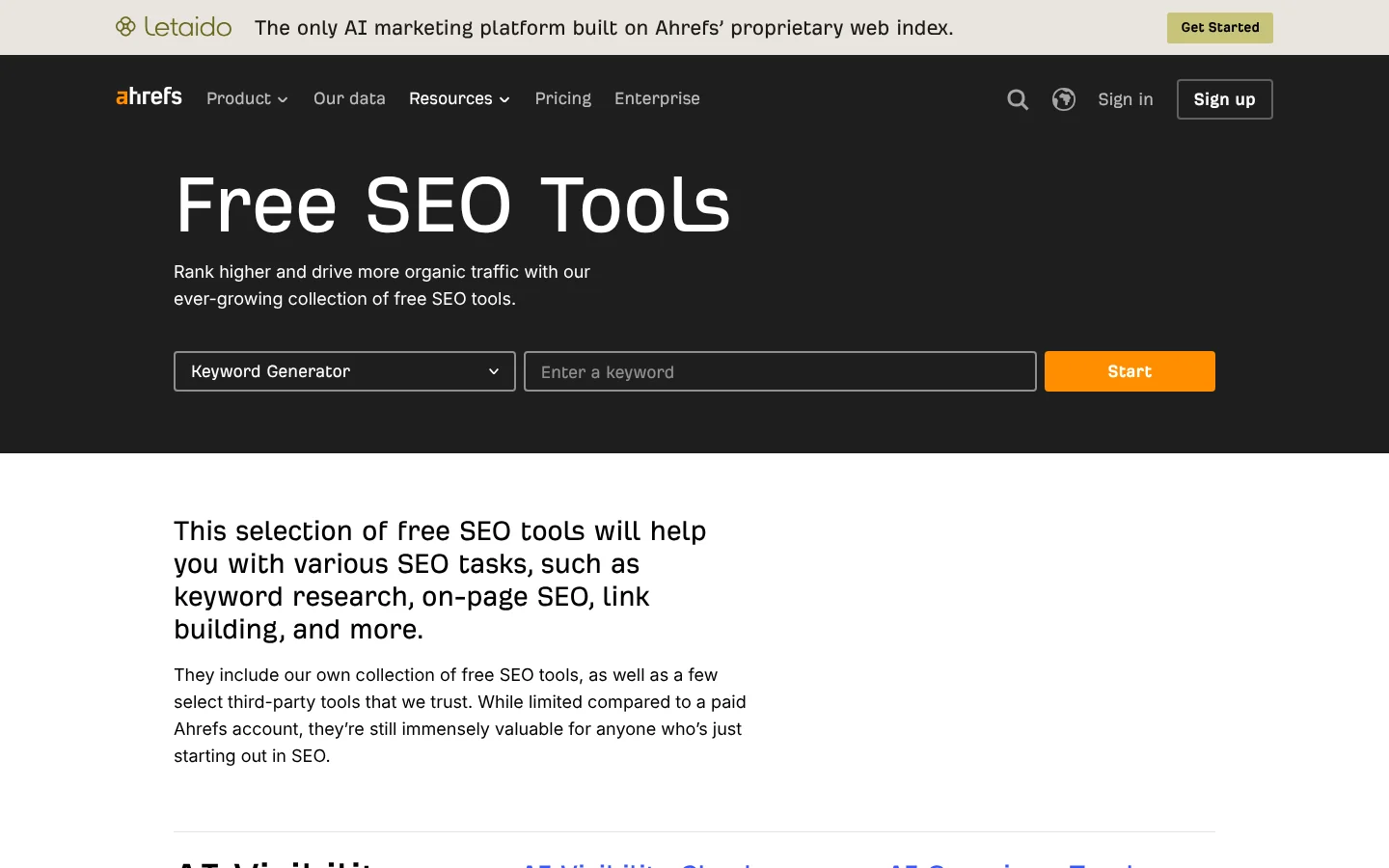
I like how open the page is about its limits. It says the free tools show less than a paid account, and a sign-up button sits right in the header for people who want more.
What to borrow: give away a small version of your most useful feature, and say plainly what the paid plan adds.
3. Gong Labs
Gong sells revenue AI that analyzes sales calls and deals. Gong Labs is its research hub, where it turns that call data into short articles for sales leaders.
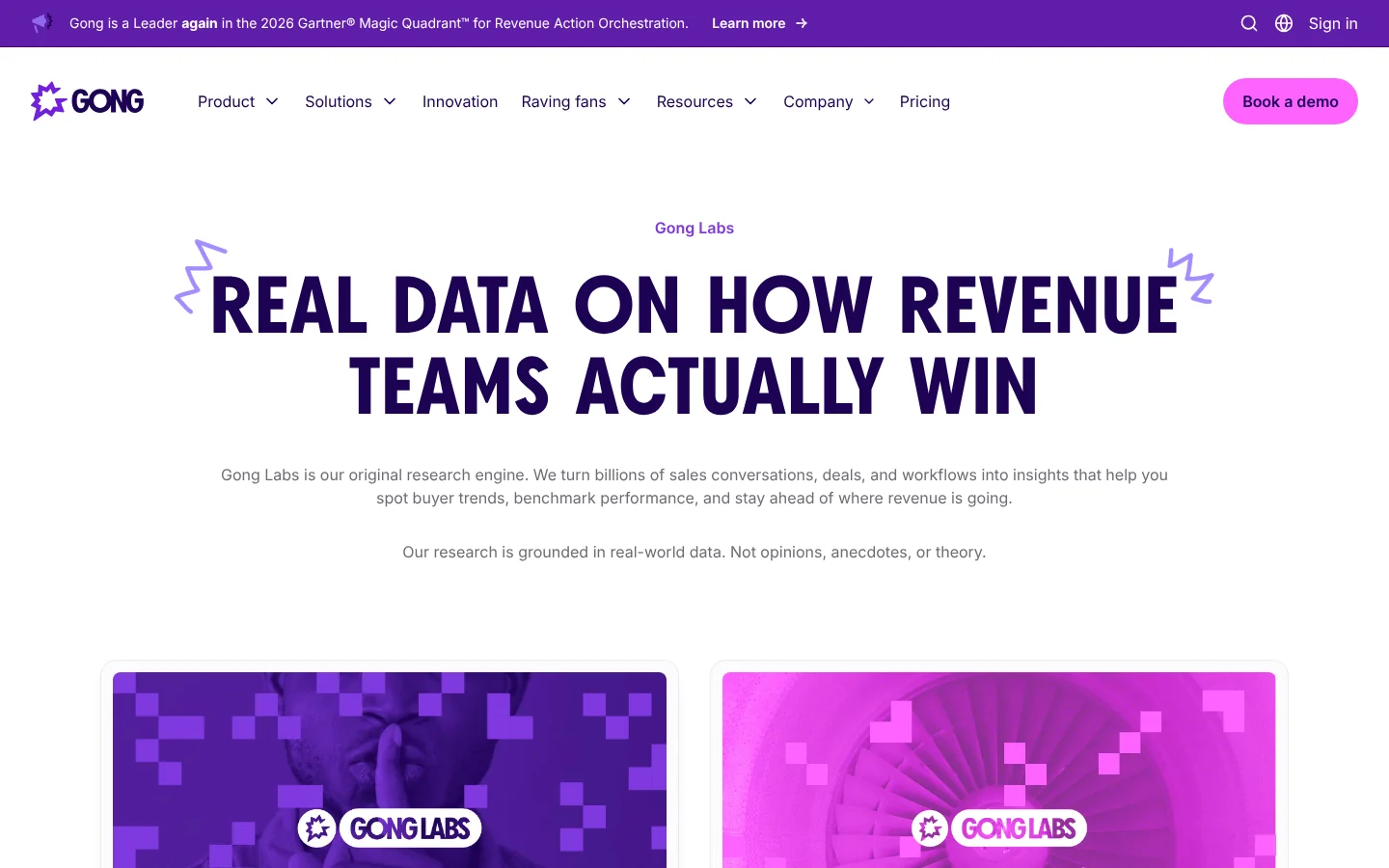
One study looked at more than 120 million sales calls to see what happens when buyers go quiet. Only Gong has that data, so sales leaders read and share it months before they're ready to buy.
What to borrow: pull one finding a month from your own product or customer data, and publish it as a short article with a chart and a demo link.
4. Chili Piper
Chili Piper sells software that turns website visitors into booked meetings. Its homepage demo shows the whole flow, from the first email to a meeting on the calendar.
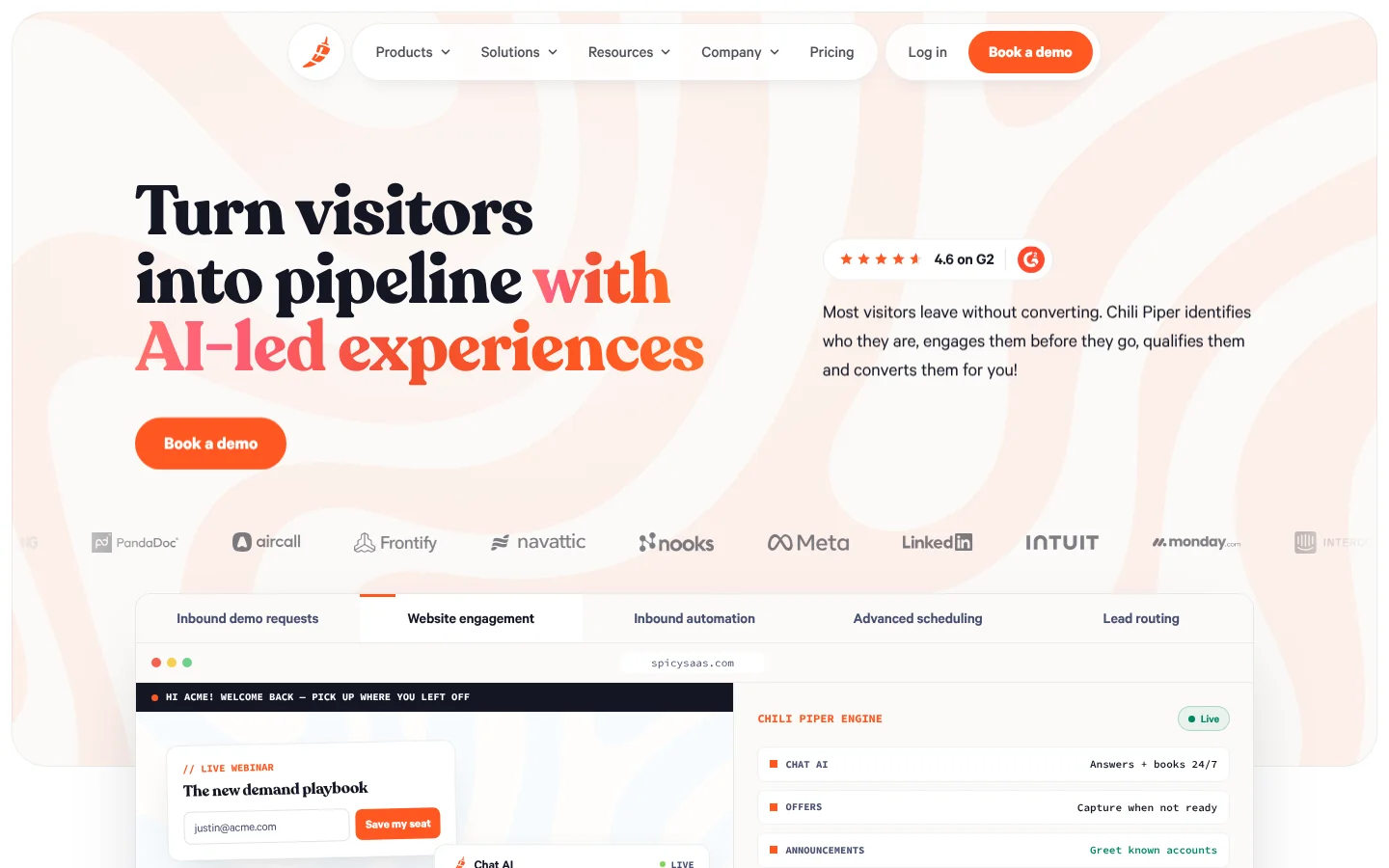
A visitor types an email, and the form fills in company size and an ICP score. The lead goes to the right rep by account owner, territory or round robin, then the visitor picks a time while they're still on the page.
What to borrow: show a calendar right after your demo form for leads that fit your ICP, and write your routing rules down before you buy a tool to run them.
5. Cognism
Cognism sells B2B contact and company data to sales and marketing teams. Its homepage puts three next steps side by side: see it in action, calculate ROI or book a demo.
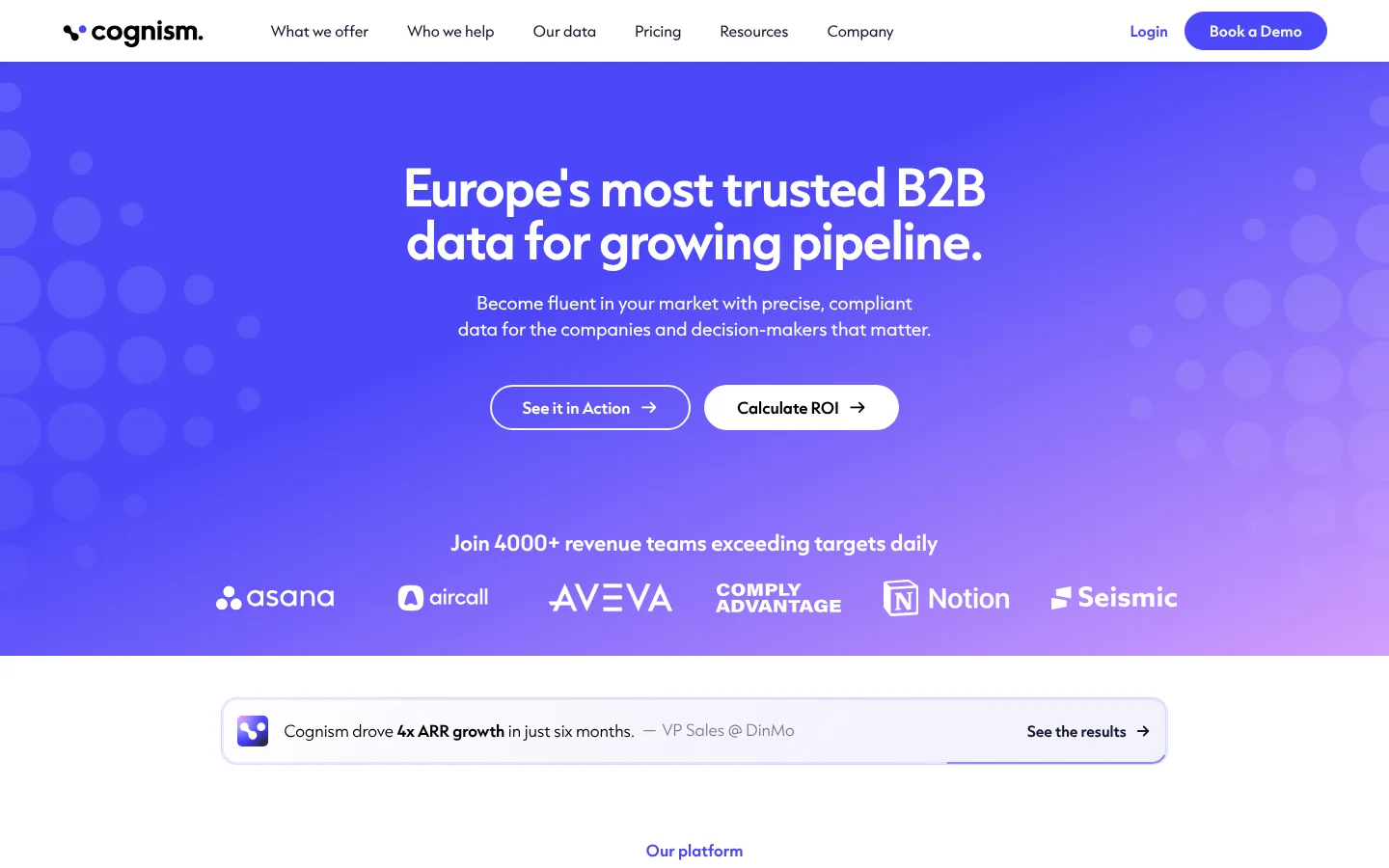
The ROI calculator asks for numbers a sales leader knows by heart, like calls per seller and connect rate. A demo center lets visitors pick an interactive tour for sales, RevOps or marketing, so a buyer who isn't ready for a call still has something useful to do.
What to borrow: offer a self-serve next step, like a tour or a calculator, right next to your demo button.
B2B lead generation checklist
Run through this list before you launch a new channel or offer, and again each quarter. It's grouped so you can hand each part to the person who owns it.
Plan
- Your monthly pipeline goal is written down, with the leads each channel needs.
- Your ICP fits on one page and lists buying triggers and disqualifiers.
- Lead, MQL and SQL rules are agreed with sales and saved in the CRM.
Capture
- Each buying stage has an offer that answers that stage's question.
- The first form asks only for what sales needs to route the lead.
- Pricing and comparison pages are open to everyone.
- Your brand shows up in Google and in AI answers for your main buyer questions.
Handoff
- Every MQL gets an owner as soon as it arrives.
- Leads that fit your ICP can book a meeting from the demo form.
- Sales logs a reason for every rejected lead.
Measure
- Your monthly report shows pipeline and cost per SQL by channel.
- Your demo form asks how the buyer heard about you.
- You update the calculator with your own conversion rates each quarter.
Conclusion
Buyers have changed how they research, but the principles I use for lead generation haven't changed much:
- Set the lead target from the pipeline goal
- Give every buying stage a useful next step
- Make the last step fast for buyers who are ready
- Judge each channel by the pipeline it brings
Most teams I talk to want more leads. But if your buyers already arrive with a short list, wouldn't you rather make sure you're on it?
FAQ
What is B2B lead generation?
B2B lead generation is the process of finding businesses that fit your ideal customer profile and turning their interest into qualified sales conversations. It covers the offers and channels that bring buyers in, plus the rules that qualify each lead and pass it to sales.
What is the difference between an MQL and an SQL?
An MQL fits your target market and has shown interest, for example by downloading a report. An SQL has spoken with sales, and sales has confirmed the need and the budget.
How many leads do I need each month?
Divide your monthly pipeline goal by your average deal size to get the opportunities you need, then divide by each conversion rate in turn. At First Page Sage's B2B SaaS rates for SEO, $300,000 of pipeline at $25,000 a deal takes 122 leads a month.
Which channels work best for B2B lead generation?
The best channels are the ones your buyers already use to research, which depends on your deal size and market. Start with two or three, such as SEO, LinkedIn or targeted email, and judge each one by the pipeline it brings.
How is AI changing B2B lead generation?
Buyers now research in AI chatbots before they talk to sales. In G2's 2026 survey, 51% of software buyers start research in an AI chatbot more often than in Google, so showing up in AI answers is now part of lead generation.
A good first step is to pull last quarter's conversion rates from your CRM and enter them in the calculator above. If you need far more leads than your channels bring in today, start with a free AI visibility audit to see where buyers find you now.