Upwork's July 2026 Future Workforce Index found that 38% of skilled U.S. knowledge workers now freelance, up from 28% a year earlier. The writer, editor or SEO you want likely freelances already.
This guide shows how we at Perceptric find, brief, test and keep freelancers for B2B content teams, with a scorecard, sourced rates and a checklist.
Which freelancers a content team needs
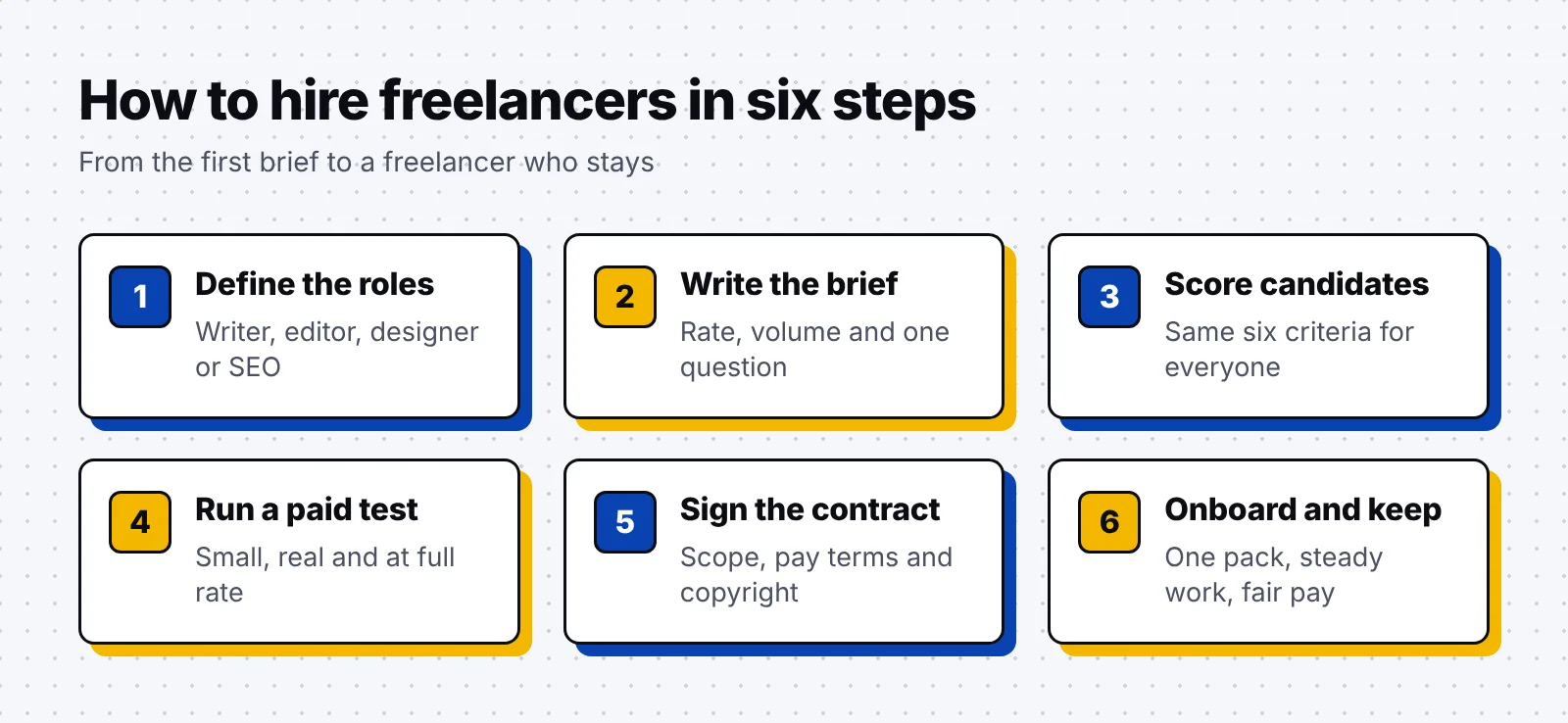
Most content and SEO programs need four kinds of freelancers:
- Writers turn a brief into a clear, accurate draft built around a real buyer question.
- Editors check structure, facts and voice, and they catch what the writer missed.
- Designers make the custom graphics, diagrams and page layouts that keep readers reading.
- SEO specialists handle keyword research, technical audits and internal links.
With budget for one hire, start with a writer who knows your industry and edit the work yourself, then add an editor when review time slows publishing.
What content teams can use:
- Write down the four roles and mark the ones you already cover in-house.
- Hire for the gap that slows publishing the most, then add the next role.
Where to find freelancers for hire
Freelancers show up on marketplaces, in communities, through referrals and on LinkedIn, and we match the place to the role.

Marketplaces
Marketplaces put profiles, reviews and past work in one place, and we would check these first:
- Upwork lets you post a job and get proposals, or search profiles and invite people to apply.
- Toptal screens every applicant, including designers and marketing experts, and offers a trial where you pay only if satisfied.
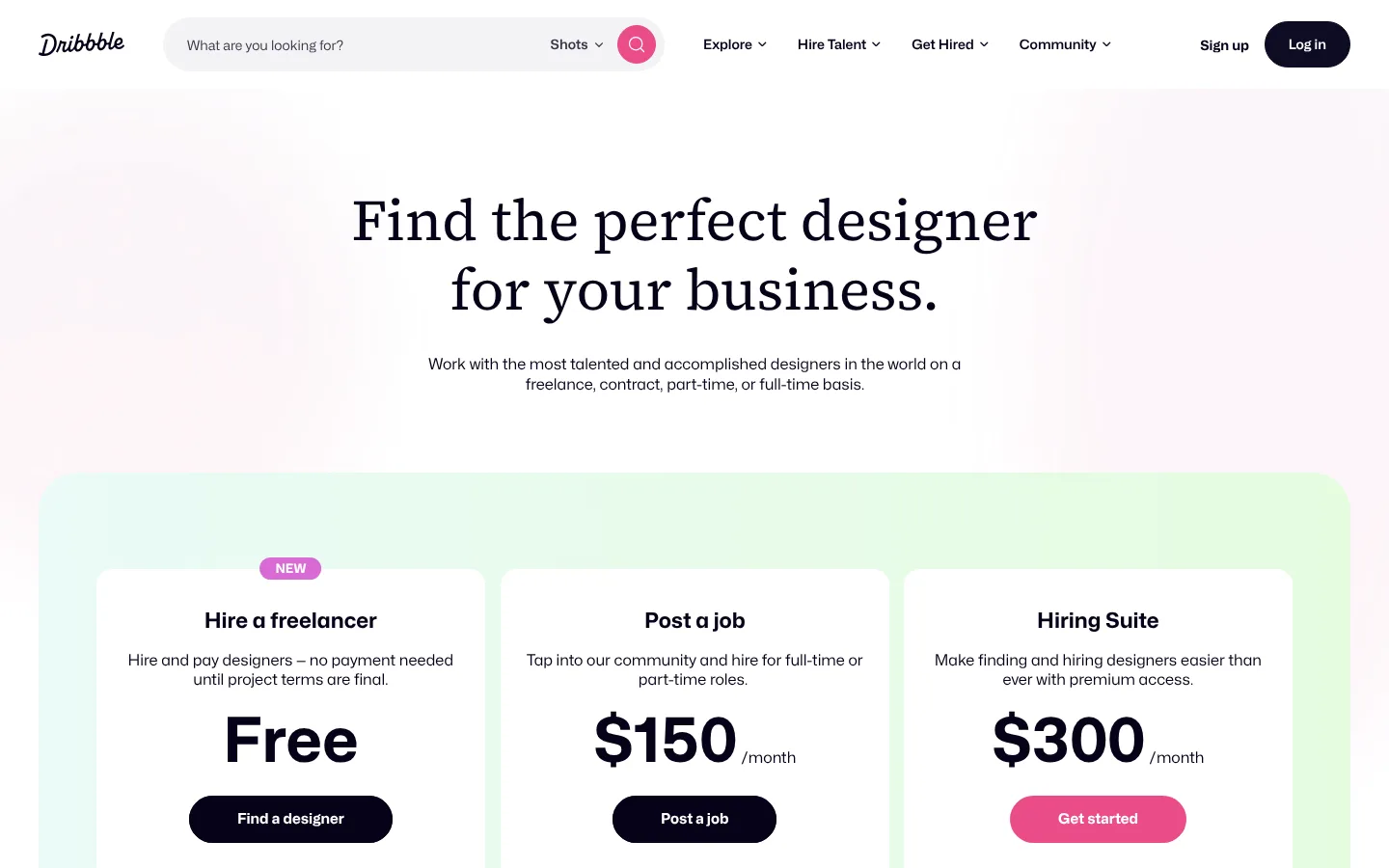
- Dribbble lets you search designers for free, post a job for $150 a month, or hire a freelancer for a 2% to 5% platform fee.
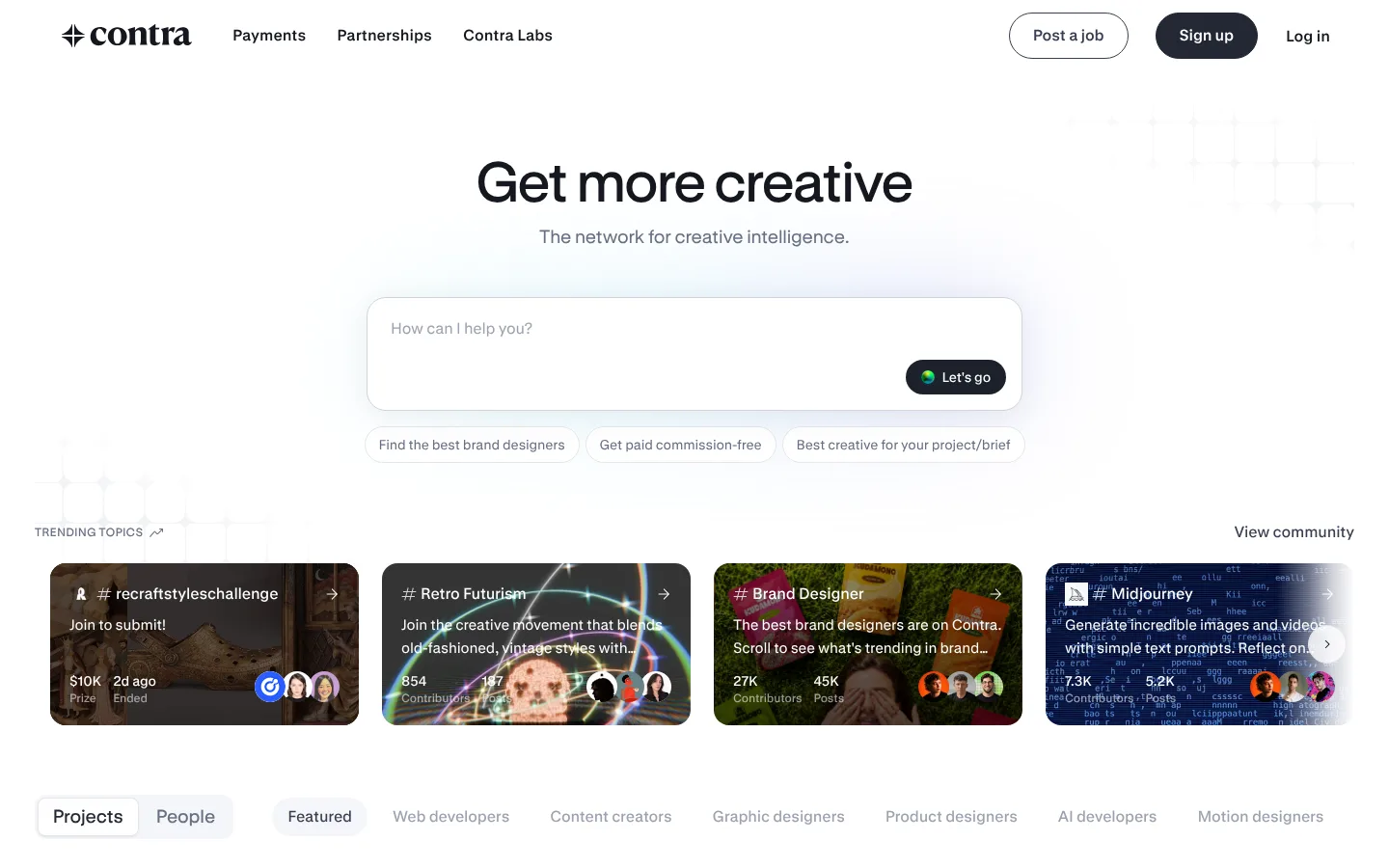
Contra is a network for creative freelancers where clients post jobs for free and freelancers get paid commission-free, with filters for content creators and graphic designers.
Communities
Communities are slower, but their members care about the craft, so we use them for editors and senior writers:
- Superpath is a content marketing community with over 13,000 members, a free content marketing job board and a paid Slack group of 300+ marketers.
- The Editorial Freelancers Association job list reaches more than 4,000 editorial professionals, and its member directory is searchable.

Referrals and LinkedIn
For senior people, ask the freelancers you trust who they would hire, since good freelancers pass on work they cannot take.
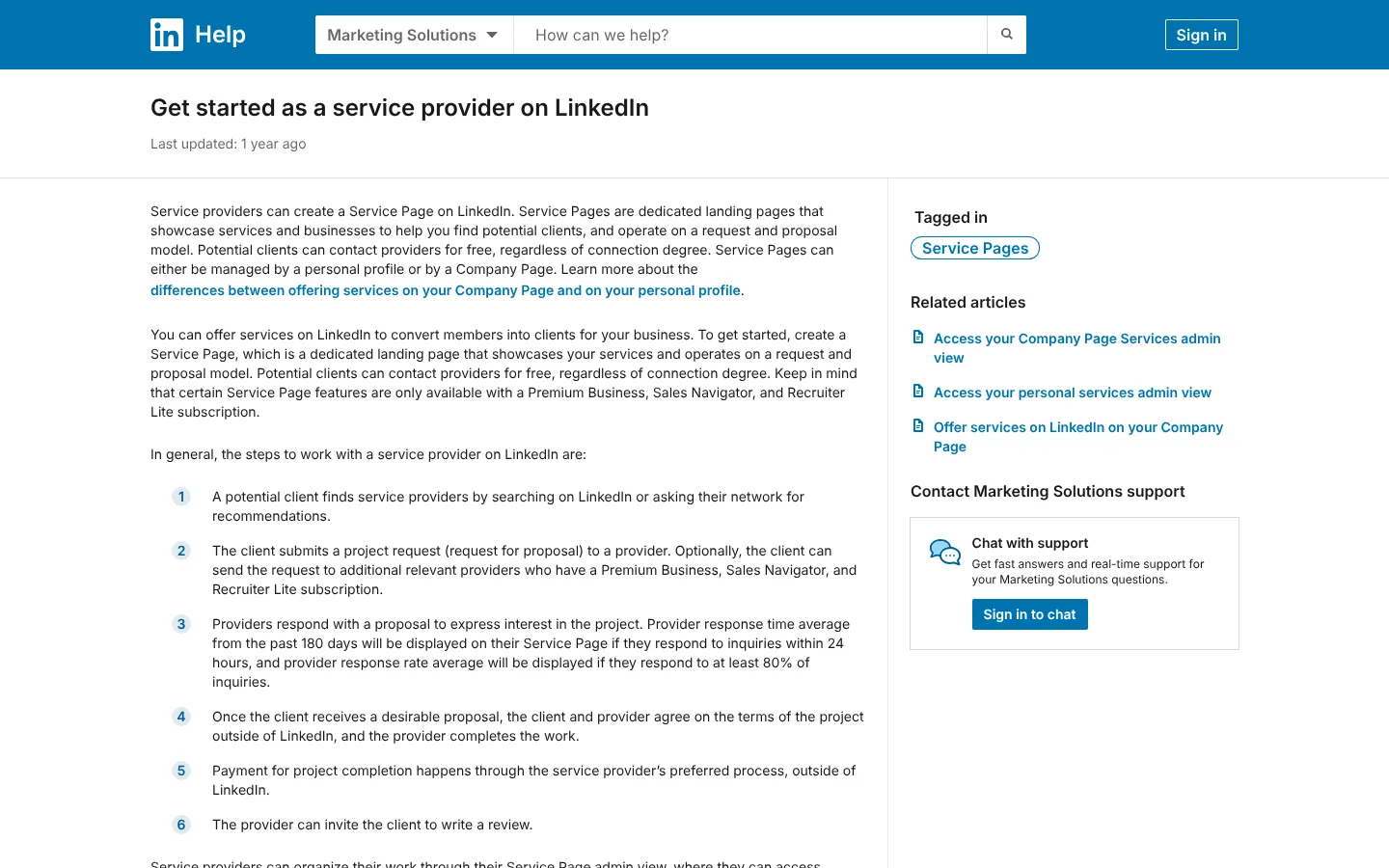
On LinkedIn, freelancers run a Service Page on a request and proposal model. Contact is free, but you agree terms and pay outside LinkedIn, so your own contract matters more.
What to take from this:
- Use marketplaces for designers and quick tests, where a portfolio tells you most of what you need.
- Use communities and referrals for editors and senior writers in your niche.
- Post the same brief everywhere, so you compare every candidate on equal terms.
How to hire freelancers with a brief that attracts good people
Strong freelancers skip vague posts, so write the brief for the best person in the market and cover these points:
- Who you sell to and what the content must do for the business.
- The role, the topics and links to pieces you like.
- The monthly volume, deadlines and how long the work lasts.
- The rate or budget range, per word, per piece or per hour.
- Who gives feedback and how many days you take to pay.
- What to send back: two relevant samples and a short answer to one buyer question.
Stating the rate saves a round of messages, and the buyer question tells you more than a cover letter.
Our content brief and calendar template covers the reader, angle, outline and sources for both the job brief and the first article.
What to use from this:
- State the budget and the payment terms in the very first post.
- Ask one question about your buyer in place of a cover letter.
Vet candidates with a scorecard
A scorecard keeps a charming candidate with a weak sample from winning. Score each shortlisted person from 1 to 5 on six weighted criteria, as in this version for a B2B writer:
| Criterion | Weight | What a 5 looks like | Red flag |
|---|---|---|---|
| Samples in your field | 25% | Two published pieces for a buyer like yours, written plainly | Only general posts, or work they cannot show |
| Research and accuracy | 20% | Claims link to primary sources and the numbers match | Stats with no source, or sources that are other blogs |
| Answer to your buyer question | 15% | Shows they understand the buyer's problem | Repeats your brief back to you |
| SEO basics | 15% | Writes for search intent and uses headings and internal links well | Keyword stuffing, or no idea what intent means |
| Communication | 15% | Replies within a working day and asks sharp questions | Misses the deadline for the application itself |
| Process and feedback | 10% | Works in your tools and welcomes a round of edits | Pushes back on any second round |
For an editor, research and accuracy should carry the most weight, while a designer's portfolio can count for half the score.
Ask an SEO specialist for an audit they ran and how they measured it. For every sample, ask if your buyer would learn something they could not find in a quick search.
What to take from this:
- Score every candidate on the same sheet before you talk about money.
- Ask how they use AI writing tools, and count an honest, clear answer under communication.
Run a paid test project
A paid test shows what a freelancer does with your product, your buyer and your feedback, which outside samples cannot show.
Keep the test small and real, such as one short article, one edit, one graphic or one site section audit:
- Give your two or three finalists the same brief and deadline.
- Pay the full rate, even if you never publish the piece.
- Give one round of feedback and watch how each person handles it.
- Score the result, and note their speed and the questions they asked.
Unpaid tests mostly attract people with spare time, and busy experts pass on them. Paying also gives you the right to use a good test piece in your calendar.
We watch the feedback round most closely, since a freelancer who takes notes well saves you hours on every later piece.
What content and SEO freelancers cost in 2026
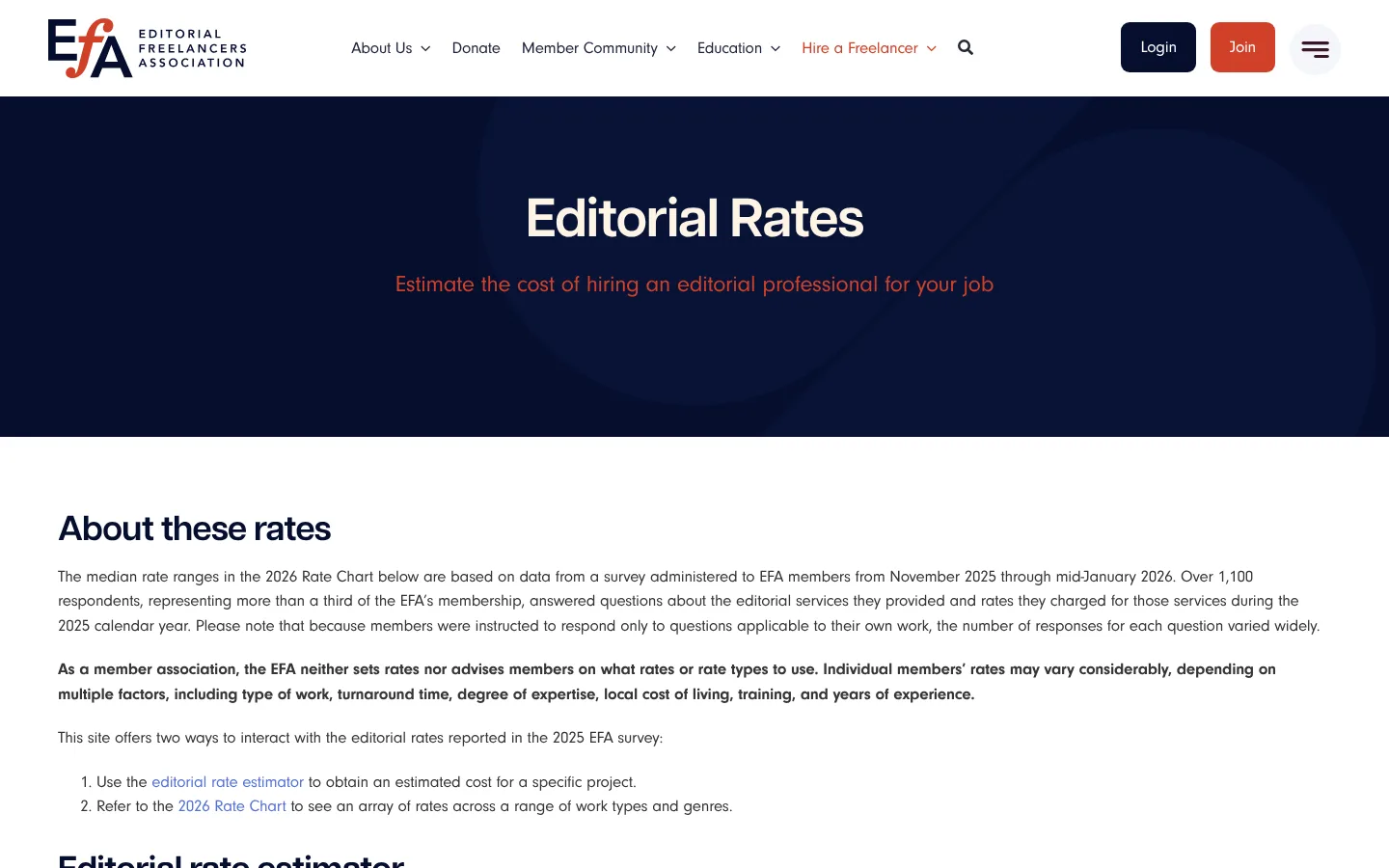
Rates vary by skill, niche and location, and our figures come from the Editorial Freelancers Association's 2026 rate chart, a survey of over 1,100 members about their 2025 rates.

| Service (EFA median range) | Per word | Per hour |
|---|---|---|
| Blog posts, work for hire | 25¢ to 45¢ | $74.50 to $87.50 |
| Business and marketing writing, ghostwritten | 50¢ to $1.00 | $87.50 to $125 |
| Developmental editing, nonfiction | 4¢ to 5¢ | $57.50 to $70 |
| Copyediting, nonfiction | 3¢ to 4¢ | $45 to $60 |
| Proofreading, nonfiction | 2¢ to 3¢ | $40 to $55 |
At those rates, a 1,500 word blog post costs $375 to $675 before editing, and marketing pieces that need product knowledge cost the most.
SEO specialists price their work differently, and in Ahrefs' poll of 439 SEO providers, freelancers charged $71.59 an hour on average:
- The most popular hourly band across all providers was $75 to $100, chosen by 24% of them.
- Freelancers on a monthly retainer charged $1,348.63 a month on average.
- The most common per project fee for SEO freelancers was $101 to $250.

Designers rarely price per word, so ask for a price per graphic or page template and compare a few quotes for one small job.
Contracts and IP
Put every freelance job in a written contract before work starts, since some cities require one.
New York City's Freelance Isn't Free Act requires a written contract for work worth $800 or more, including work that adds up to $800 over 120 days. The contract must state the work, pay and payment date, or you must pay within 30 days of completion.
Under U.S. copyright law, a commissioned piece is a work made for hire only if it fits one of nine categories and both sides sign an agreement saying so.
A transfer of copyright is valid only in a signed written document, so add an assignment clause as a backup. Every freelance contract should include these clauses:
- Scope, deliverables, deadlines and the edit rounds included.
- Rate, invoice timing and payment terms in days.
- Work made for hire wording plus a written assignment of copyright.
- Confidentiality for product details, customer names and unreleased plans.
- A promise that the work is original, and how AI tools may be used.
- How either side can end the contract and what you pay for work in progress.
The IRS looks at behavioral control, financial control and the type of relationship, so judge freelancers on results and let them run their own process. Have a lawyer check your contract template once, then reuse it.
Onboard freelancers in the first week
When you hire marketing freelancers, send this onboarding pack before the first brief:
- Your positioning, ideal customer profile and the problems you solve.
- A style guide with voice rules, banned words and formatting.
- A few of your best pieces, with notes on why they work.
- Product access, a demo recording or a call with a product expert.
- Your SEO rules for internal links, headings and keywords.
- Your workflow, from tools and file names to review and sign-off.
Book a 30 minute kickoff call and an expert interview for the first piece, since expert input lifts B2B content marketing above a summary of other blogs.
Takeaways for your team:
- Build the onboarding pack once and send it to every new freelancer on day one.
- Line up an expert interview before the first brief goes out.
How to keep good freelancers
Strong freelancers stay with easy, fair clients, and most of what keeps them costs attention more than money:
- Pay on the promised date every time, and state payment terms up front.
- Send steady work at a monthly volume they can plan around.
- Give specific feedback that explains the reason for each edit.
- Raise rates once a year for people who have grown, before they ask.
- Credit their work with a byline or the right to show it in a portfolio.
- Invite them to strategy calls so they write with full context.
Mistakes to avoid when you hire freelancers
Most hiring problems start with a skipped step, so watch for these mistakes:
- Hiring on price alone, then paying for it in editing time.
- Starting work before both sides sign a contract with a copyright clause.
- Sending a keyword and a word count in place of a brief.
- Rewriting drafts without telling the writer what changed and why.
- Giving each freelancer a different process, so nothing scales past two people.
To skip hiring, compare the best blog writing services and the top B2B content writing services, which bring their own writers and editors.
Freelance hiring checklist
Use this checklist for each new content or SEO freelancer. The card holds the seven main checks, and the lists below split them by stage:

Before you post
- You know the role you need most and what it should cost.
- Your brief states the rate, volume, payment terms and one buyer question.
- You posted the same brief in at least two places.
Before you hire
- Every finalist has a score on one weighted scorecard.
- Your finalists did a paid test with one round of feedback.
- The contract covers scope, payment date and a copyright assignment.
First month
- The onboarding pack went out before the first brief.
- The first piece includes an interview with a subject matter expert.
- The first invoice was paid on the date you promised.
FAQ
Where is the best place to hire freelancers for content?
The best place depends on the role you need. Use marketplaces such as Upwork, Contra and Dribbble for designers and quick tests, and communities such as Superpath and the EFA job list for writers and editors. Referrals from freelancers you trust are often the fastest route to senior people.
How much does a freelance content writer cost?
The EFA's 2026 rate chart puts work-for-hire blog posts at 25 cents to 45 cents per word, or $74.50 to $87.50 an hour. Ghostwritten business and marketing writing runs 50 cents to $1.00 per word.
Should you pay freelancers for a test project?
Yes, pay for every test project at the freelancer's full rate. Paid tests draw busy, experienced people and give you the right to use the work.
Who owns the content a freelancer writes?
In the U.S., a commissioned piece is a work made for hire only if it fits one of nine categories and both sides sign a written agreement saying so. Otherwise you need a signed written copyright assignment, so put both clauses in your contract.
How do you vet a freelance SEO specialist?
Ask for an audit or project they ran and how they measured the result, then pay for a small audit of one section of your site. Score it on accuracy, priorities and how clearly they explain each fix.
Your next step is to write one brief this week, post it in two places and run paid tests with your finalists. For a content and SEO team without the hiring, talk to us about a Perceptric program.