Domain rating (DR)
Domain rating is an Ahrefs score from 0 to 100 that estimates how strong a site's backlink profile is. Google doesn't use it, so treat it as a rough way to compare sites, like checking whether a guest post offer from a DR 70 blog is worth your time.
What is domain rating?
Domain rating, or DR, is a score from 0 to 100 that Ahrefs gives every website. It estimates how strong a site's backlink profile is, compared with all the other sites in Ahrefs' index. A higher DR means more websites link to it, and the sites linking to it have strong profiles of their own.
Let's say you sell contract management software. A blog called Legal Ops Weekly emails to offer you a guest post. You check it in Ahrefs and see DR 12, with almost no traffic. A week later, an industry association offers a spot in its resource roundup, and Ahrefs puts that site at DR 71 with steady traffic. DR gives you a quick way to see which offer deserves your writer's time.
Other tools have similar scores. Moz calls its version Domain Authority, and Semrush has Authority Score. They use different data, so don't compare a DR from one tool with a score from another.
Why domain rating matters for B2B SaaS
DR matters less than most people think, and it's still useful. Ahrefs says DR is purely link-based. It doesn't count traffic, domain age or brand popularity, and Google never sees it. So a high DR won't make your pages rank.
What it does give you is a fast, rough read on link strength. Pages on sites with stronger link profiles tend to rank more easily, so DR helps you judge competition and opportunities without opening every backlink.
Here's where I find it useful in SaaS:
- Sizing up keywords: If every page ranking for "contract management software" sits on a DR 80 site and yours is DR 25, you know that term will take time. Start with longer, more specific searches where the ranking sites look like yours.
- Screening link offers: A quick DR and traffic check tells you whether a guest post, podcast or directory listing is worth the effort.
- Tracking your own link building: A slow rise in DR over a year tells you your content is earning links from more sites. It's a trend line, and a single month means little.
How domain rating works
Ahrefs calls its own description of the formula simplified. The main steps are still clear. Here's how it works:
- Only followed links count: Ahrefs looks at every domain with at least one followed link to your site. Nofollow links don't raise DR.
- Each domain counts once: Ten links from the same site count about the same as one. More unique linking domains matter more than more links.
- Stronger sites pass more: Each linking domain passes some of its own DR, split across all the sites it links to. A link from a strong site that links out to few others is worth the most.
- The scale is logarithmic: Going from DR 20 to 30 is much easier than going from 70 to 80. At the top, each point takes a lot more links.
- It's relative: Your DR can move when other sites gain or lose links, even if your own links didn't change.
A domain rating example
Here's a hypothetical comparison for the contract management company as it plans which keywords to target first. The DR figures are made up for the example:
| Keyword | DR of the top 3 ranking sites | Your DR | What it means |
|---|---|---|---|
| "contract management software" | 88, 84, 79 | 28 | A long game, start building toward it |
| "contract renewal tracker template" | 41, 35, 30 | 28 | Winnable with a strong page |
| "how to track vendor contract renewals" | 33, 26, 22 | 28 | A good place to start |
The team writes for the last two first. As those pages earn links, its DR rises, and the bigger keyword becomes more realistic. Check keyword difficulty next to DR here. Ahrefs builds that score from the links pointing to the top ranking pages, so it shows the page level picture.
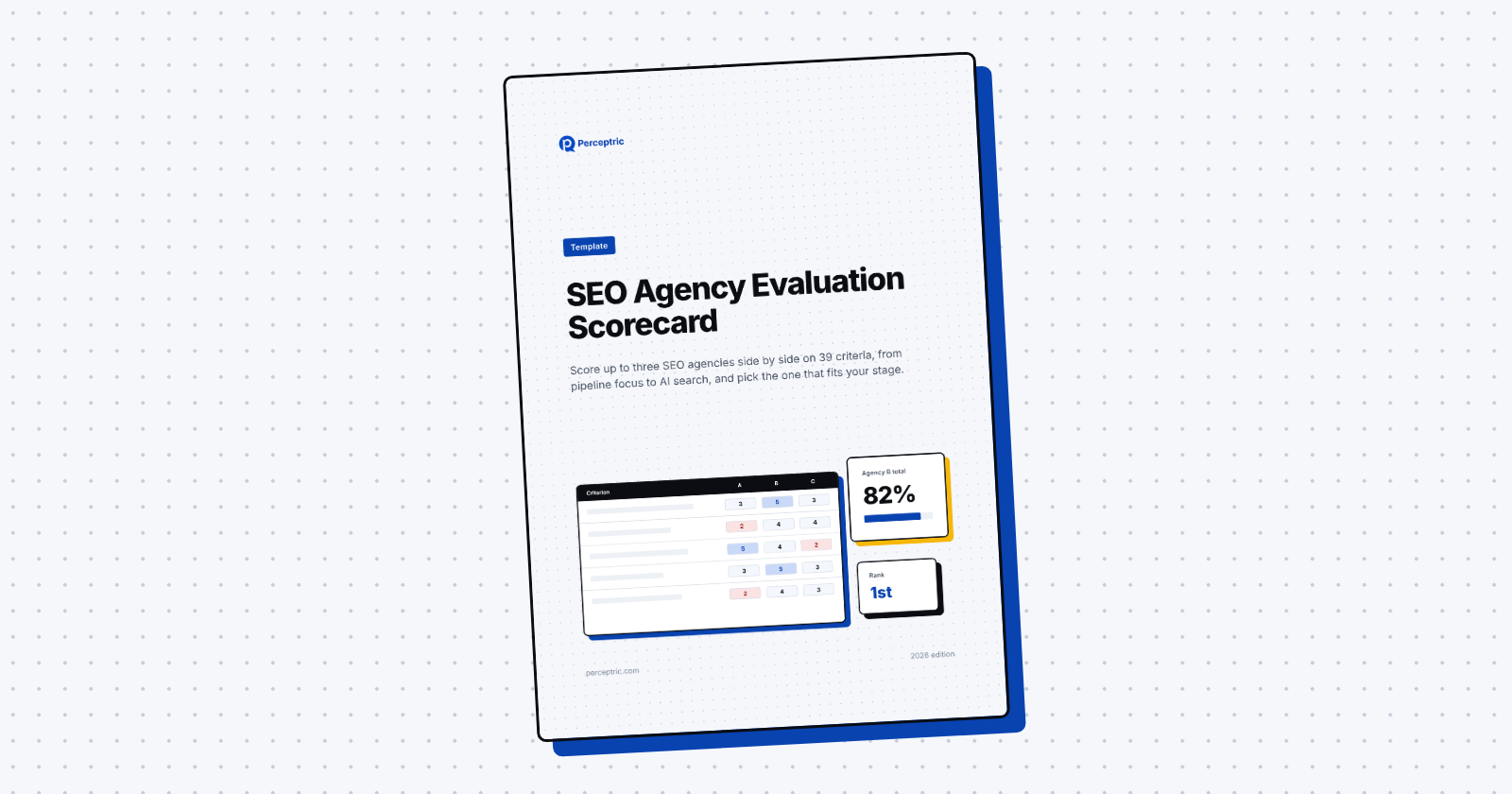
When you hire help, DR also comes up a lot in agency pitches. Our SEO agency evaluation scorecard covers what to ask when an agency promises to raise your DR.
How to measure domain rating
DR itself is easy to see in Ahrefs Site Explorer. What you want is the link growth behind it. Here's what I track:
- Referring domains over time: In Ahrefs, check how many unique sites link to you each month. This drives DR and is the number your link building really changes.
- DR of new linking sites: Look at who linked to you this quarter. A few links from well-known industry sites beat dozens from directories.
- DR next to rankings: Compare your DR trend with your Google Search Console clicks and positions. If DR rises and rankings don't, the content or search intent needs work.
- Gap to competitors: Compare your DR and referring domains with the three competitors you meet most in search. The gap tells you how much link work your plan needs.
Common domain rating mistakes
- Treating DR as a goal: Raising DR doesn't win deals. Rankings, AI mentions and demos do. Use DR as a sign your link building works, and judge the program by pipeline.
- Buying links to raise it: Ahrefs notes that a pile of low-quality links can still push DR up. Google may ignore or penalize those links, so you pay for a number that does nothing.
- Ignoring relevance: A link from a DR 30 site your buyers read can do more than one from a DR 80 site in an unrelated niche. Check the topic and the traffic, too.
- Judging a site by DR alone: Some sites with high DR get almost no search traffic, which usually means they sell links. Look at organic traffic in the same Ahrefs report before you say yes.
- Comparing scores across tools: DR, Domain Authority and Authority Score use different data. Pick one tool and stick with it for trends.
Here's a quick check you can run today. Look up the DR of the sites that rank for your three most important keywords. Is the gap something new content and a year of link building could close?
Read more
FAQ
What is a good domain rating?
There's no fixed good number. Compare yourself with the sites that rank for your main keywords. If they sit between DR 40 and 60 and you're at 20, links are probably part of the gap.
Does Google use domain rating?
No. DR is Ahrefs' own metric, built from its own link index. Google has its own systems for judging links and pages, and it doesn't use third-party scores like DR or Moz's Domain Authority.
What's the difference between domain rating and Domain Authority?
Domain rating comes from Ahrefs and Domain Authority comes from Moz. Both estimate link strength on a 100-point scale, but they use different link data and formulas, so the same site gets different scores in each tool.
How do you increase domain rating?
Earn followed links from more unique, well-linked websites. Original research, useful free tools and expert quotes in industry articles tend to earn those links, and DR rises as a side effect.